
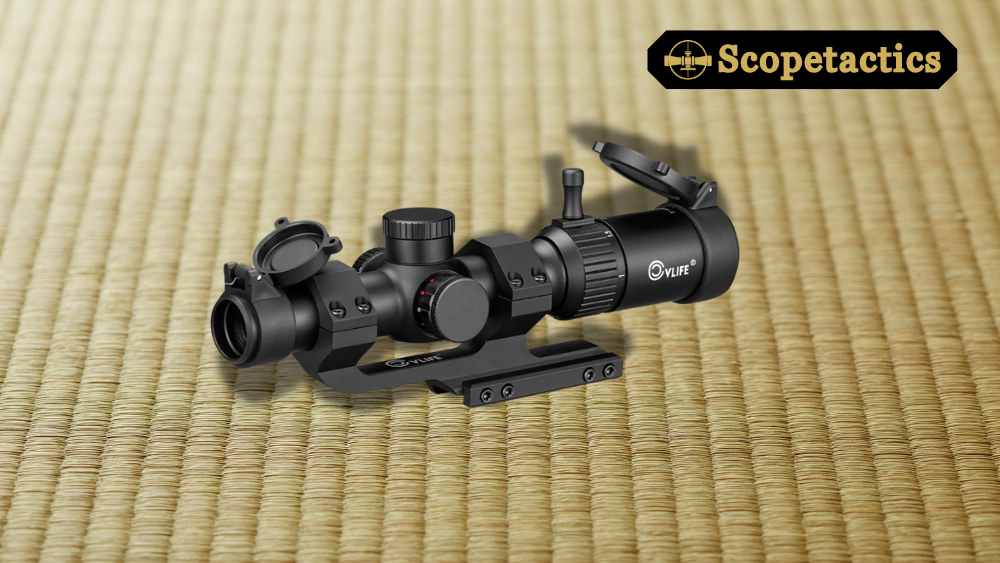
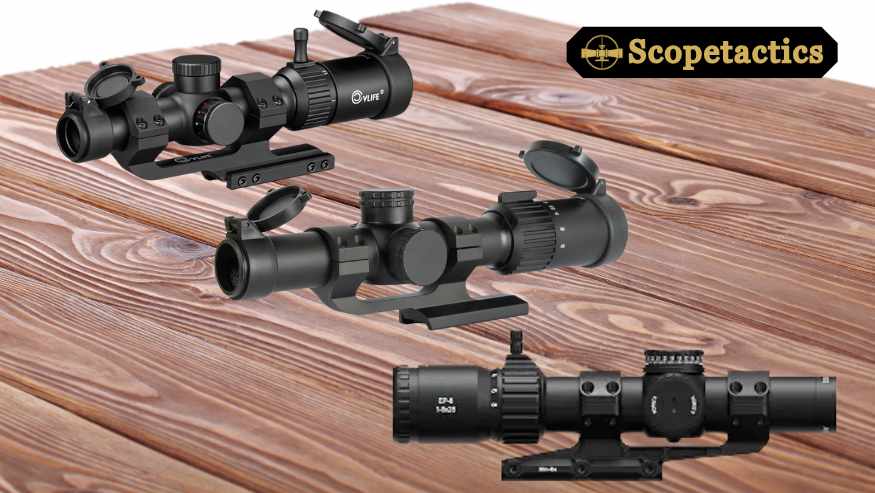
If you’ve been shopping for a budget LPVO scope for a rimfire rifle or a plinker AR build, you’ve probably run into the CVLIFE JackalHowl 1-4×20 LPVO Rifle Scope with Cantilever Mount. It shows up constantly in “best budget LPVO” searches, it’s cheap, and it comes bundled with a mount — which on paper makes it look like one of the better deals in the sub-$100 optics category. I picked one up to mount on a .22 LR carbine to see whether it holds up to the marketing copy, or whether it’s another case of “you get what you pay for.”
Below is a full technical breakdown covering optical performance, turret feel, reticle design, mounting, durability claims, and — most importantly — who this scope actually makes sense for.
Quick Verdict
The JackalHowl 1-4×20 is a genuinely usable entry-level LPVO for rimfire and close-to-mid-range applications, and it’s hard to beat at its price point when you factor in the included cantilever mount. It is not a scope you should put on anything with serious recoil or trust for long-range precision work. Think plinking rifle, farm gun, or a first LPVO to learn the platform on — not a duty-grade optic.
Technical Specifications
| Spec | Detail |
|---|---|
| Magnification | 1-4x |
| Objective Lens | 20mm |
| Focal Plane | Second Focal Plane (SFP) |
| Reticle | Illuminated BDC, calibrated for .22/rimfire trajectory |
| Illumination | 5 brightness levels, red and green |
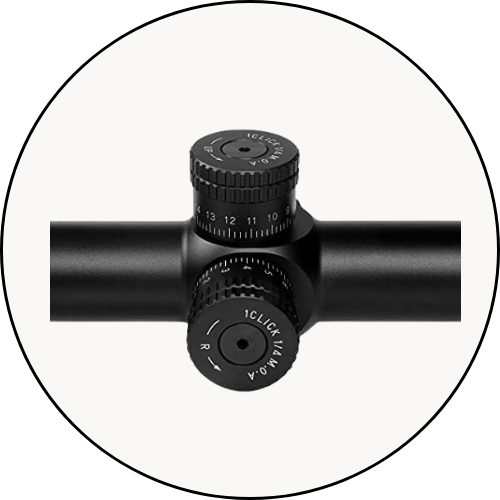
| Turret Adjustment | 1/2 MOA per click, zero-reset capable |
| Tube Material | Single-piece aviation aluminum |
| Weight | 17.5 oz (scope only) |
| Overall Length | 8.66″ |
| Mount Included | 1-inch cantilever mount |
| Waterproof/Fogproof | Yes, O-ring sealed |
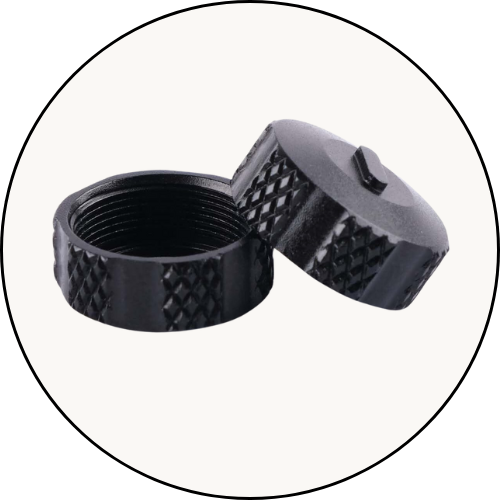
| Included Accessories | Cantilever mount, flip-up scope caps, 2 batteries, spare screws, cleaning cloth, Allen keys, manual |
| Typical Price | $50–$60 |
First Impressions and Build Quality
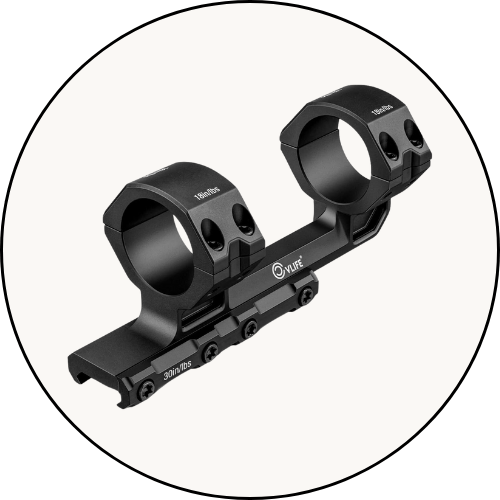
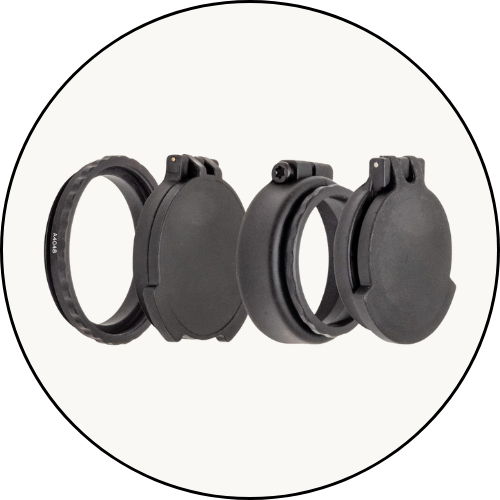
Out of the box, the JackalHowl comes surprisingly well-kitted for the price. You get the scope, a 1-inch cantilever mount already sized for the tube, flip-up lens caps, two batteries for the illumination module, spare mounting screws, a cleaning cloth, and both Allen keys needed for assembly. That’s a meaningful value-add, since a comparable cantilever mount alone often runs $20-$30 if bought separately.
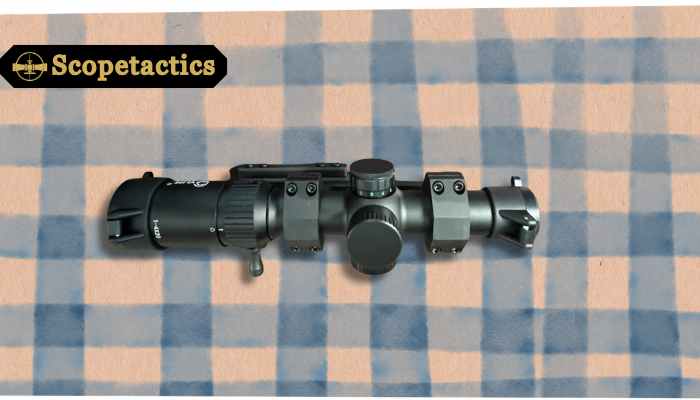
The scope body is machined from a single piece of aviation aluminum, which is standard for this price tier and gives it a solid, non-hollow feel in hand. It won’t compete with a mid-tier Vortex or Primary Arms tube in terms of anodizing finish or fit-and-finish under close inspection, but there’s no flex or looseness in the housing, and the turret caps thread on cleanly.
Optical Clarity
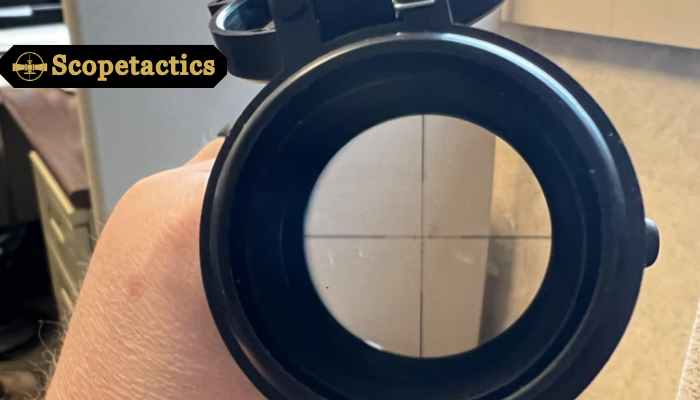
This is where budget LPVOs typically separate from their pricier competition, and the JackalHowl is no exception — but it performs better than the price tag suggests. The fully multi-coated lenses provide reasonably bright, color-accurate images in daylight and hold up decently in overcast conditions. Edge-to-edge clarity is acceptable at 1x and 2x; you’ll notice mild softening toward the edges of the field of view as you push toward 4x, which is common in this price class and not a dealbreaker for a hunting or plinking scope.
Where it does show its budget roots is low-light performance. Light transmission is good, not great — usable through dusk, but it’s not the optic you want if you’re regularly shooting in the last 20 minutes of legal light. For a rimfire or short/mid-range hunting application, this is a fair tradeoff for the price.
Reticle and Illumination
The illuminated BDC reticle is the standout feature here. It’s calibrated specifically for .22/rimfire ballistics, with hash marks below the center dot representing 100-yard increments. That’s a smart design choice for the intended use case — instead of dialing turrets for holdover, you can use the reticle itself for quick range estimation and follow-up shots, which matters for small-game hunting or plinking at varying distances.
Illumination offers 5 brightness settings in both red and green, controlled via a rotary dial on the left turret housing. The green setting is noticeably more useful in bright daylight for target contrast, while red performs better in dim conditions. Since this is a Second Focal Plane (SFP) scope, keep in mind the reticle subtensions (and therefore the BDC hash marks) are only accurate at the top end of magnification — this is worth understanding before you rely on holdovers at lower zoom settings.
Turrets and Zero Reset
The capped turrets adjust in 1/2 MOA clicks, which are tactile and audible enough to count confidently without looking. After sighting in, you can pop the turret caps and reset to zero — a feature that’s genuinely useful and not always present on scopes in this price bracket. Adjustment repeatability was consistent in testing; dialing back to a marked zero after adjustment returned point of impact reliably.
The one caveat: these are not the precision, positive-click turrets you’d find on a $400+ scope. They function well for a sight-in-and-forget setup but aren’t built for repeated field dialing under time pressure.
Mounting and Eye Relief
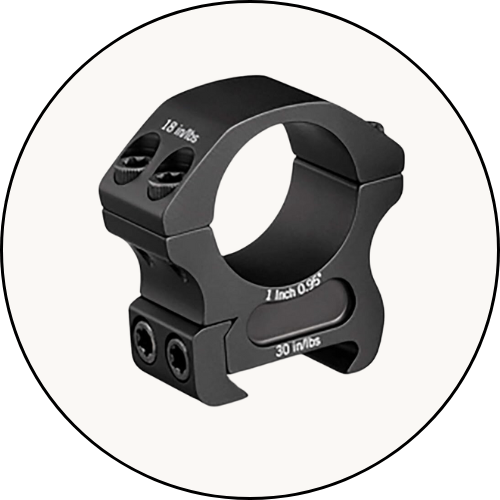
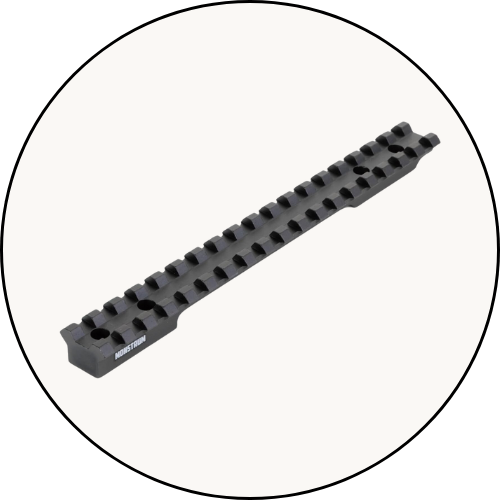
The included 1-inch cantilever mount is sized to work with standard Picatinny rails and offsets the scope forward, which helps with proper eye relief on AR-pattern rifles and most bolt actions. Installation was straightforward with the included Allen keys — no proprietary tools required. If you’re mounting on a rimfire platform with a shorter receiver, the cantilever offset gives you flexibility that a fixed ring setup wouldn’t.
Eye relief and eye box are adequate rather than generous. At 1x, acquiring the target quickly is easy, which is the whole point of an LPVO for close-range work. At 4x, you’ll need to be more deliberate about head position to avoid vignetting, which is typical of budget glass at this magnification range.
Durability Claims
CVLIFE states the scope is built to hold zero after 500 rounds of .22 fired through it, and is rated waterproof and shockproof via O-ring seals on a single-piece aluminum tube. In practical use on a rimfire platform, this tracks — the recoil impulse of a .22 LR is minimal, and the scope showed no signs of zero shift or internal fogging during testing.
That said, it’s worth being transparent here: this is a budget import optic, and CVLIFE’s reputation in the gun community is mixed. Some shooters and reviewers (including a well-known outdoor writer who tested a CVLIFE scope expecting it to fail and came away surprised) have found the build quality better than expected for the price. Others online caution that quality control can be inconsistent between units, and that this isn’t the scope to trust on a centerfire rifle with meaningful recoil, or in any application where a zero shift has real consequences. For a rimfire plinker or a budget hunting setup where the stakes are low, that risk profile is reasonable. For a primary defensive or big-game rifle, it is not.
How This Scope Compares to Other Budget LPVOs
If you’re cross-shopping the JackalHowl against other entry-level LPVOs, here’s roughly where it lands:
| Scope | Magnification | Mount Included | Reticle Type | Approx. Price | Best For |
|---|---|---|---|---|---|
| CVLIFE JackalHowl 1-4×20 | 1-4x | Yes (cantilever) | Illuminated BDC, SFP | $50-$60 | Rimfire, budget plinkers |
| Vortex Strike Eagle 1-6×24 | 1-6x | No | AR-BDC3, SFP | $250-$300 | AR-15 general purpose |
| Primary Arms SLx 1-6×24 | 1-6x | No | ACSS Raptor, SFP | $200-$250 | AR-15, closer to duty-grade |
| Sig Sauer Tango-MSR 1-6×24 | 1-6x | No | BDC, SFP | $250-$300 | AR-15, hunting/utility |
The obvious takeaway: the JackalHowl isn’t competing with the Strike Eagle, SLx, or Tango-MSR on glass quality or turret precision — it’s roughly a quarter of the price, and it shows in the details covered above. What it does offer is a genuinely usable rimfire-focused package with a mount included, which none of those other scopes do out of the box. If your budget realistically caps at $60 and you need glass and a mount, the JackalHowl fills a gap those pricier scopes don’t address at all. If your budget stretches to $200+, the step up in optical quality and turret precision on something like the SLx or Strike Eagle is significant enough to be worth the jump — especially for a centerfire AR build.
Setting It Up: What to Expect
Mounting the JackalHowl is about as straightforward as LPVO installation gets. The cantilever mount ships pre-fitted to accept the 1-inch scope tube, so there’s no separate ring purchase or compatibility guesswork. A few practical notes from getting one dialed in:
Torque the mount screws evenly. Like any Picatinny mount, tightening one screw fully before the others can twist the mount slightly off-axis. Snug them in a cross pattern, then do a final pass.
Set eye relief before final tightening. Slide the scope forward or back in the mount at your normal shooting position to find a comfortable, shadow-free sight picture, then lock it down.
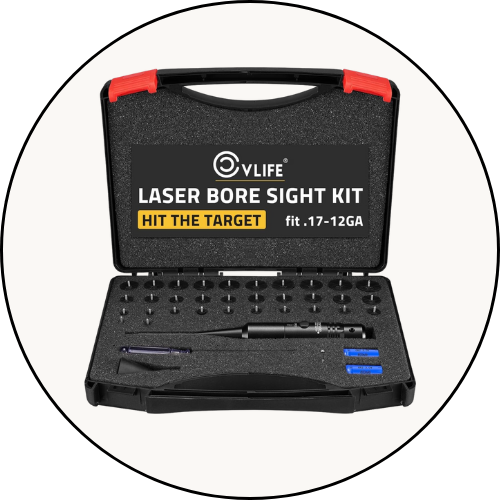
Bore-sight before live fire. A cheap laser bore sighter will get you on paper at 25 yards, saving ammo during zeroing.
Zero at a realistic distance for your use case. For rimfire, 50 yards is a common zero distance that keeps the BDC hash marks reasonably accurate at typical hunting/plinking ranges.
Reset your turrets to zero once confirmed. This is the feature that makes this scope worth the extra few minutes — don’t skip it, since it’s what lets you return to a known zero after making windage or elevation adjustments in the field.
Frequently Asked Questions
Is the CVLIFE JackalHowl 1-4×20 good for a .22 rifle?
Yes — this is arguably its best use case. The BDC reticle is specifically calibrated for rimfire trajectories, and the low recoil of .22 LR keeps the scope well within its durability comfort zone.
Can I mount this on an AR-15 chambered in 5.56?
You can, and the included cantilever mount is sized for standard Picatinny rails. However, given the mixed durability feedback around recoil-heavy or repeated hard use, it’s better suited to a rimfire AR or low-recoil build than a duty rifle or one that sees heavy round counts of centerfire ammunition.
What does “SFP” mean and why does it matter here?
SFP stands for Second Focal Plane, meaning the reticle stays the same size in your sight picture regardless of magnification, while the target image grows or shrinks. The practical effect is that the BDC hash marks on the JackalHowl are only calibrated correctly at one specific magnification (typically the top end, 4x) — at lower magnifications, the holdover marks won’t precisely match the stated yardages.
Does it hold zero?
In testing on a rimfire platform, zero retention was consistent through repeated firing. CVLIFE’s own claim is that it holds zero through 500 rounds of .22. Community feedback on centerfire applications is more mixed, so temper expectations accordingly if mounting on a harder-recoiling rifle.
Who This Scope Is For
Good fit:
- Rimfire (.22 LR) rifles and carbines
- Budget AR builds used for plinking or informal target shooting
- Shooters mounting their first LPVO who want to learn the platform without a big investment
- Close-to-mid-range small-game hunting
Not a good fit:
- Centerfire rifles with significant recoil
- Long-range precision shooting
- Any application where you need guaranteed zero retention under hard use (duty, competition, big game hunting at distance)
- Shooters who need best-in-class low-light performance
Pros and Cons
Pros:
- Excellent included accessory package (cantilever mount, caps, batteries, tools)
- BDC reticle well-suited to rimfire ballistics
- Functional zero-reset turrets
- Solid single-piece aluminum construction
- Very competitive price point for a true LPVO with a mount included
Cons:
- Optical clarity and low-light performance trail mid-tier scopes
- SFP design means BDC accuracy is magnification-dependent
Final Thoughts
The CVLIFE JackalHowl 1-4×20 LPVO doesn’t try to be something it isn’t. It’s a budget-focused rimfire and light-duty optic that delivers noticeably more value than its price suggests, mostly because of the bundled cantilever mount and thoughtful rimfire-calibrated reticle. If you’re outfitting a .22 plinker, a farm gun, or want an affordable way to try the LPVO format before spending real money on a Vortex Strike Eagle or Primary Arms SLx, this is a defensible choice.
If your rifle sees serious recoil, or you need an optic you can bet your zero on in the field every single time, step up to a more established mid-tier LPVO. But for what it is — and at what it costs — the JackalHowl earns its spot on budget LPVO shortlists.
Leave a Reply